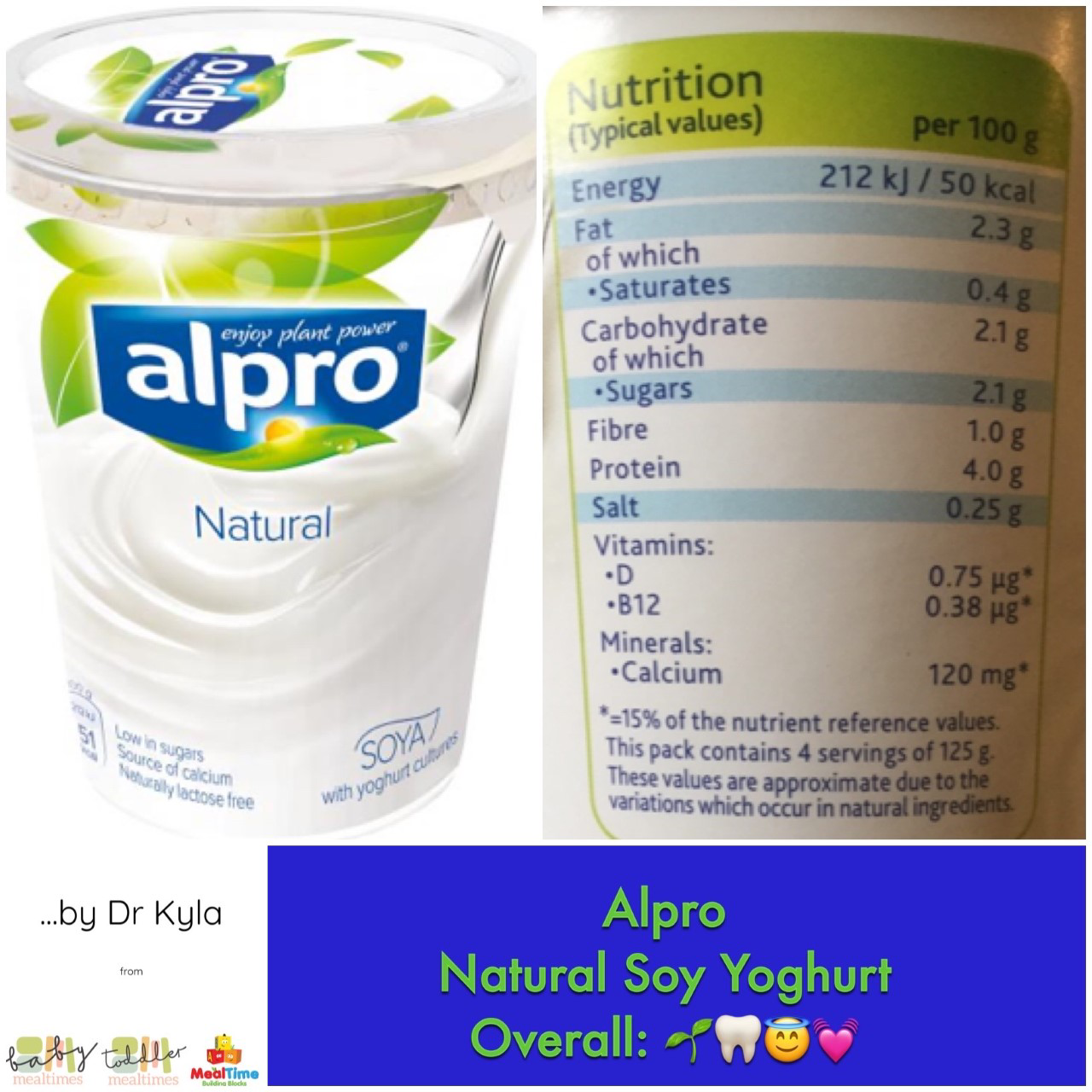
Alpro Dairy Free Yoghurt (Soy) | Chewsday Review
I know there has been a lot of desperation out there due to the discontinuation of the popular Soy Life Yoghurt. I hear you. So please, drum roll for… Alpro Dairy Free Yoghurt! Also soy-based, could this be your new staple? Keep reading to find out.

- Soya base (Water, Hulled soya beans (10.7%)), Sugar, Calcium (Tri-calciumcitrate), Stabiliser (Pectins), Acidity regulators (Sodium citrates, Citric acid), Flavouring, Sea salt, Antioxidants (Tocopherol-rich extract, Fatty acid esters of ascorbic acid), Vitamins (B12, D2), Yogurt cultures (S. thermophilus, L. bulgaricus)
- As with most dairy-free products, this yoghurt is made up largely of water. Very expensive water!
- Pectin is a great natural stabiliser originating from fruit that maintains the yoghurt’s texture, as well as adding a touch of fibre to the mix.
- It is also calcium fortified, which is a must-have for plant-based yoghurts. Another bonus is the vitamins that are added, as Vitamin D works with Calcium for bone growth, and Vitamin B12 is great for brain function.
- Common allergens include: soy
- A good alternative if your little one has a lactose intolerance or cow’s milk allergy.
- It contains high protein compared to other plant-based yoghurts due to using soy, and at 4g/100g, is similar to natural dairy yoghurts in this regard.
- Importantly, it is calcium fortified. This yogurt contributes an impressive 120mg per 100g, which is a similar amount to Greek yoghurt (slightly lower than other yoghurts due to the loss of calcium in straining).
- The sugar content (in the natural flavour) is extremely low at just over 2g/100g, putting even dairy competitors to shame.
- Both the total and saturated fat contents are within healthy guidelines, making it a viable choice for daily consumption.
- It has a mild and pleasant flavour and creamy texture, especially compared to some nut-based yoghurt alternatives.
- Not an option for children with a soy allergy, in which case nut-based yoghurts such as almond or coconut may be the next best thing.
- As you would expect with alternative products, this is a pricey yoghurt. It is similar to other dairy-free yoghurts, but almost double the cost of dairy-containing varieties.
- As this is a new product, it may only be available in select Coles stores, but will likely be rolled out to more soon.
- ‘With Yoghurt Cultures’: This is to reassure consumers, as many early yoghurt alternatives didn’t even contain probiotics!
- ‘Low in Sugars’: It is indeed. Win!
- ‘Source of Calcium’: This is a huge selling point, as just one serve (of the 125g recommended) provides 30% of a toddler’s daily requirement, and ~20% for an older child.
- ‘Naturally Lactose Free’; This is true, as lactose is a sugar that occurs naturally in dairy products.
- If your child is simply lactose intolerant, a lactose free yoghurt remains the holy grail substitute due to maximum protein and calcium content. But in the case of a cow’s milk allergy, this yoghurt is a great alternative.
- If your child can’t handle soy, then nut-based yoghurts such as almond or coconut are another option. Just keep an eye out for calcium fortified varieties!
- If your little one is not a fan of yoghurt, don’t panic! Remember there are plenty of other calcium-rich food sources such as dairy/soy/nut milks, cheese, canned fish, and even calcium-fortified cereals. At the end of the day, whatever passes the taste test is a win in my books!
The composition of food products changes regularly. The nutritional values of the products in this Chewsday Review were correct at the time of publishing.
Hungry for More? Related Reviews
Sorry, we couldn't find any Reviews that match that criteria.