
If your child has recently started an ADHD medication, you might have noticed they’re eating less food. Maybe you’ve been warned that this is something to keep an eye on, but what can you actually do to help? Let’s unpack!
Is loss of appetite normal on ADHD medication?
In short, yes. A smaller appetite is a common side effect of stimulant medication for ADHD. These medications can dampen your child's appetite and thirst, especially around the middle of the day (depending on their medication schedule), and they can make some kids feel a little bit nauseous too.
So if you’ve got a kid who’s not hungry, and they’re good at listening to their body, then it makes sense that they’re eating less.
It is common and for some kids it improves with time, while others need a bit more support.


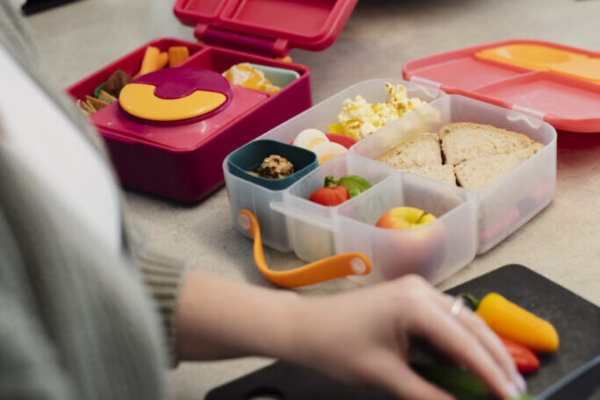
An opportunity to trust their tummy voice
When your child doesn’t feel hungry and chooses not to eat, it’s an example of them listening to their body. As tricky as it is to watch, this is an important skill we hope our kids keep as they grow up. As tempting as it is to encourage a few more bites, I'd generally recommend trying not to push them to eat. Even gentle pressure can make kids more hesitant with food, which can reduce their food intake even further.
Sometimes kids on stimulant medication have periods in the day when their appetite is stronger, like early morning and after school, commonly when the medication wears off. Maximising meals at this time can help them to use hunger to their advantage. For some families, offering a pre-bed snack like some toast, a sandwich, or a glass of milk can give another opportunity to fill up before sleep as well.
Stimulant medication can also dull thirst, so you might notice your child’s drink bottle coming home full. Eating and drinking less can also make kids more prone to constipation, because there's less volume of food moving through their digestive system. It can be helpful to offer water before they head off in the morning and again when they get home, and keep a cup or drink bottle within easy reach.
Should I give my child a supplement?
Kids' eating has always had its ups and downs, and a diagnosis plus new medication is a lot to adjust to, so some weeks will feel smoother than others. If you've been scrolling through online parenting ADHD support groups, you've probably seen recommendations for supplements or certain foods promising to change behaviours or even replace medication (red flag alert!). Supplements aren't regulated the way medications are, and some can do real harm at high doses. I’ve talked through some of these examples on my podcast in Episode 33 of Mealtimes with Dr Kyla.
Please have a chat with your GP or a paediatric dietitian to see if a blood test is needed before trying any supplements.
There's a lot of misinformation out there, and associated pressure to optimize your child's nutrient intake. I want you to get more information before assuming you have to go down this path.
Find what works for your family
All families have differing routines, and children using ADHD medications can have changing appetites from day to day, so it can take a while to find what works for your child. Trusting them with their appetite and tummy voice is a great place to start. If you'd like help with supporting your child’s needs, I’d strongly recommend working 1:1 with a paediatric dietitian specialising in ADHD.
On the podcast: Feeding kids with ADHD
I recently sat down with my fellow dietitian and friend, Belinda Martin from Advanced Dietitians Group, to talk about all of this and more on Episode 33 of Mealtimes with Dr Kyla.



Expert-led feeding guidance that grows with your child
One membership, three dedicated stages tailored to your child. Start where you need, switch when you want.

(4 - 15 months)
Starting solids
Introducing allergens
Finger food and puree recipes

(1 - 4 Years)
Fussy Eating
Toddler-tested snacks and meals
Confidence through the chaos

(5 - 12 years)
Weekly family menu
School lunchbox ideas
Navigating body conversations