
Your baby is ready to start solids. Or are they?
Feeding your baby their first solid foods can feel overwhelming before you've even started. What if you get it wrong? What if they spit it out or — worse — choke? And should you be doing baby-led weaning or puree feeding? (Everyone online seems to have a very strong opinion about this.)
Once you do start, a whole new wave of questions rolls in. Is my baby eating enough? Too much? What about allergens? Am I already behind?
Here's what I want you to know: every single one of those questions is common. The overwhelm is real. The 2am Googling is normal (I see you).
In this post I'm going to walk you through why starting solids feels so complicated, what parents are really worried about — choking, allergies, getting it "right" — and how to shift from anxious to confident, without needing to follow a rigid script or pick a single method.
There's no perfect way to start solids. But there is a way that works for your family. Let's find it.
This is a longer article with a bit more depth, so grab a cuppa if you feel like it before diving in.
Click to jump to the next section:
The starting solids questions keeping parents up at night
Part of what makes starting solids so overwhelming is that it can be difficult to get clear answers to the (very reasonable) questions you have. Guidelines change and the way your parents raised you may be different from what is recommended now.
Here are the questions that come up most often with the parents I work with, and what you actually need to know.
Baby-led weaning vs puree and the pressure to get it ‘right’
If you’ve spent any time on social media, you’ll know that the internet has very strong opinions about how you should feed your baby. It's a wild world out there.
One side is saying baby-led weaning (BLW) is the only way and purees will ruin your baby's ability to safely swallow. On the other hand, purees feel safer, but how do you even prepare beef for a six-month-old?
No wonder parents feel overwhelmed before they've even bought a high chair.
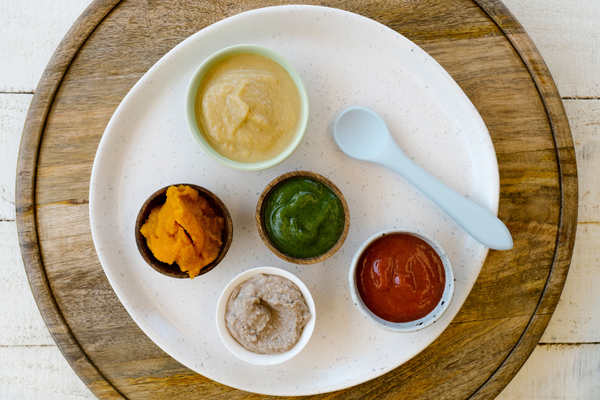
So what do they even mean? Let's start there. Traditional puree feeding generally starts with smooth puree, progressing to thicker puree, then more towards foods that the whole family eats. Baby led weaning skips purees entirely to offer finger foods right from the start.
There’s merits in both of these approaches. Unfortunately, there’s also a lot of pressure to pick a side and execute it perfectly, and this can make starting solids feel harder than it needs to be.
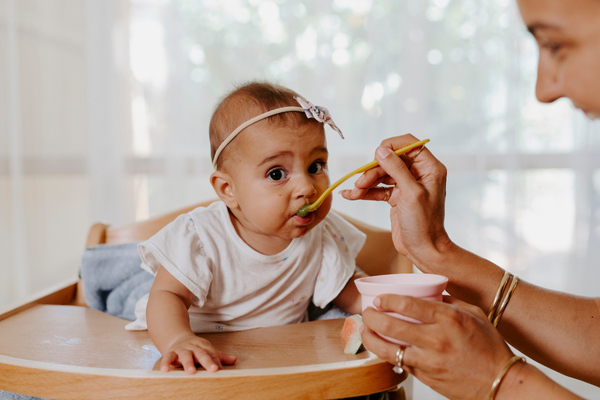
My recommendation is to use a mixed feeding method, incorporating the elements of both baby led weaning and purees to offer a variety of foods and build your baby’s skills and confidence.
I go into more detail about what this looks like in this article on puree vs baby led weaning.
Top tip:
Regardless of your approach to texture, all feeding should be baby led. Both BLW and Puree methods recommend responding to your baby’s cues and supporting them to explore food with their hands.
When should I start solids and with what?
The general guidance is to start solids around six months, and not before four months. Instead of going by age, your baby’s readiness for solids is the real signal to look for. If they can:
If they're not quite there yet at 6 months, that's okay too.
When you do start, choose a time when you're both relaxed, not rushed, and not right before a nap. First meals don't need to be elaborate. A small amount of food, provided without pressure, is all it takes to begin.
Related E-Books
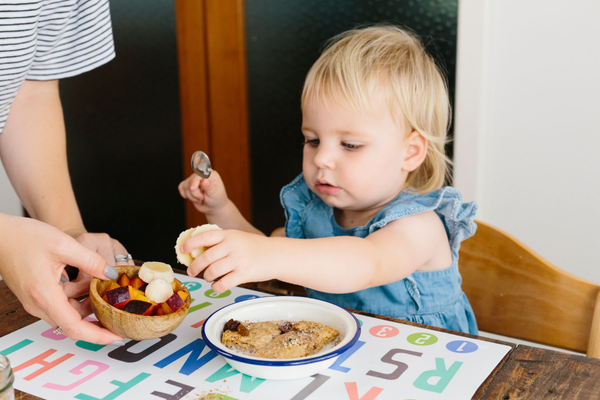
Mixed feeding from the start
As for what to offer first, that's where having a structured, evidence-based approach makes a real difference. Inside my Baby Mealtimes membership, food is categorised by level and stage so you're never guessing whether something is appropriate. Babies start on level 1 spoon food and level A finger food, then progress as their confidence and capability grows.
Taking that mixed feeding approach, you might start with pumpkin puree (level 1 spoon food) and a very soft avocado wedge (level A finger food).
How do I keep my baby safe from choking?
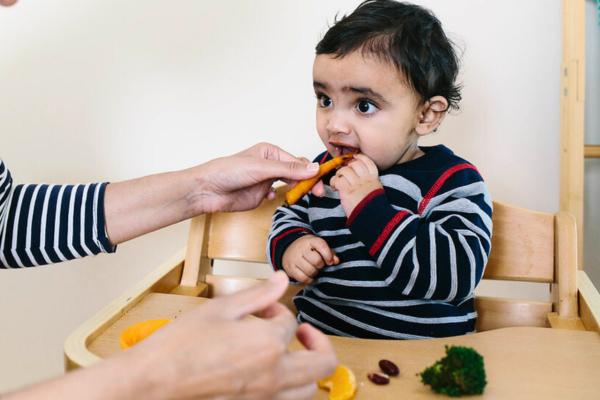
Choking fear is one of the most common reasons parents delay starting solids or avoid finger food altogether — and it makes complete sense. But it's worth understanding the difference between choking and gagging, because they're not the same thing.
Gagging is loud, visible and is completely normal. It's your baby's gag reflex doing exactly what it's supposed to do and is a sign that they're learning to bite and chew.
Choking is different. It's near-silent and requires immediate action.
The best thing you can do is learn to tell the difference before you start, understand which food shapes and textures carry higher risk, and match what you're offering to your baby's current skill level. A Baby First Aid course is also worth considering so you feel confident in knowing how to react.
Related offerings
How should I introduce the common allergen foods?
Allergen anxiety is very real. The rates of food allergies in children are the highest they've ever been and it’s understandable for parents to want to delay introduction of allergens for as long as possible.
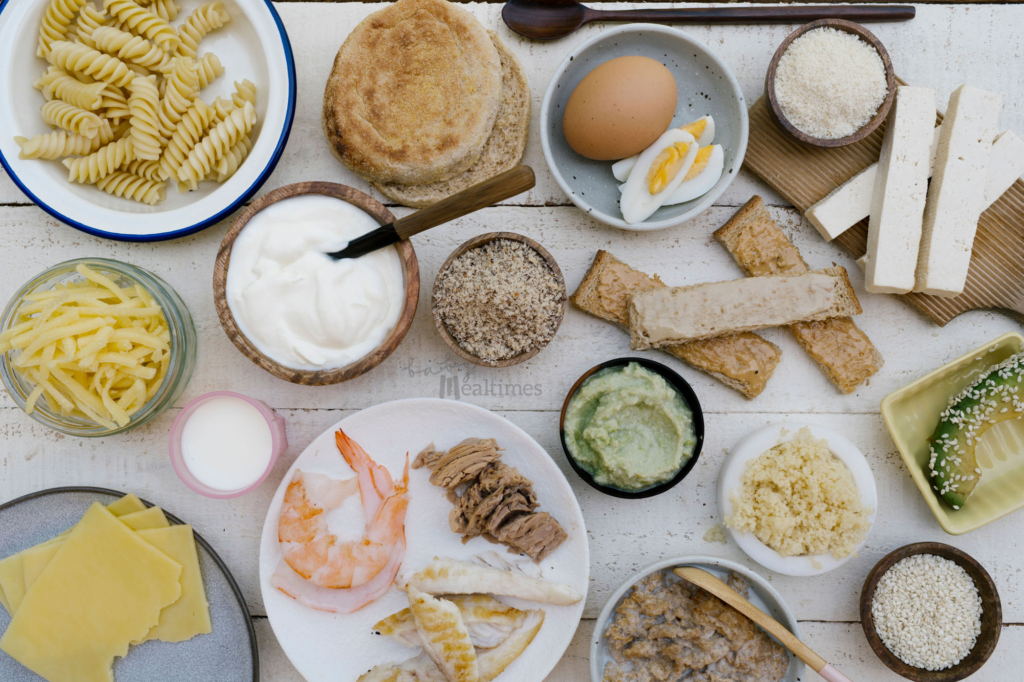
However, the national guidelines say that you should introduce the nine common allergens before your child’s first birthday, and then continue to offer them regularly. Doing this reduces your baby’s risk of developing an allergy to these foods.
Allergens should be introduced one at a time. Offer a new allergen three times over a few days before you assume it's not going to cause a reaction. Once introduced, you should continue to offer that allergen weekly if you can.
In my free guide to Starting Solids I have included information on the nine common allergens, along with four other ‘firm’ food rules you should follow. Click to access the guide.
The Mealtimes Method and the big picture
Babies are natural explorers. They learn by touching, tasting, squishing. Every time your baby picks up a piece of food, brings it to their mouth, or even just smears it across the high chair tray, they're learning something about texture, temperature, grip and coordination.
Starting solids isn't about getting it “right”. It's about creating positive, low-pressure experiences that help your baby become a confident, adventurous eater over time. The families who enjoy mealtimes most are the ones who stop trying to control the outcome and start trusting the process.
When it comes to feeding babies (who then become toddlers and school aged children) there are things that parents need to do, and there are things that we need to trust our kids to do. These are called the Golden Rules for Mealtimes, or the Division of Responsibility in Feeding. This ‘way’ of feeding underpins my method of supporting kids of all ages at mealtimes.
One of the most practical shifts that comes from having a clear framework is being able to offer your baby the same food the rest of the family is eating — what I call #samefoodsametime. This isn’t always possible, but when the opportunity arises- take it! Yes it makes life easier, but it also teaches your baby that food is social, and that mealtimes are something to enjoy.
There’s a lot to know when you first start solids, but it is possible to feed your baby with confidence, and without stress. I created Baby Mealtimes to help you feel confident about feeding your baby from the beginning.
You might be ready for more support if you're:
If any of that sounds familiar, Baby Mealtimes can help. My goal is to help you feel confident, not confused, so mealtimes can be something you actually look forward to.
Your baby's food journey starts here
Starting solids is a milestone, not a test. We're not aiming for perfection — you're building a foundation that will carry your baby through toddlerhood and beyond.
If you're ready for a practical, proven approach – trusted by thousands of families – that meets you where you are and grows with your baby, the Baby Mealtimes membership is here for you. Let's do this together.


Expert-led feeding guidance that grows with your child
One membership, three dedicated stages tailored to your child. Start where you need, switch when you want.

(4 - 15 months)
Starting solids
Introducing allergens
Finger food and puree recipes

(1 - 4 Years)
Fussy Eating
Toddler-tested snacks and meals
Confidence through the chaos

(5 - 12 years)
Weekly family menu
School lunchbox ideas
Navigating body conversations