
Is there a difference between snacking and grazing? Most parents have never really thought about it.
For many kids, a small change to how you approach snacks can have a big impact on mealtimes.
We’ve all been there: you've made the meal, you're ready to sit down, and your child isn't interested because they've been grazing throughout the day.
Small stomachs, big hanger
Children’s stomachs are about the size of their fist, so they feel hunger faster than we do. From about age 1 onwards, most kids need 3 meals and 2-3 snacks per day. This helps them meet nutrient needs and stave off food-related disruptions in mood. But when toddler moods are wearing you down, it's easy to slide into a grazing pattern instead.
Offer your child a meal or snack every 2-3 hours - as much as they need to be full.
So, what’s the difference between snacking and grazing?
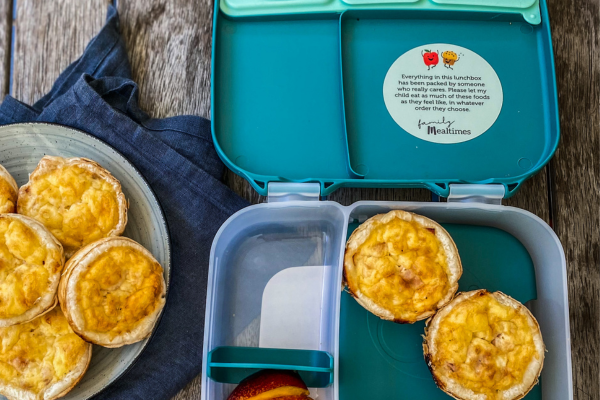
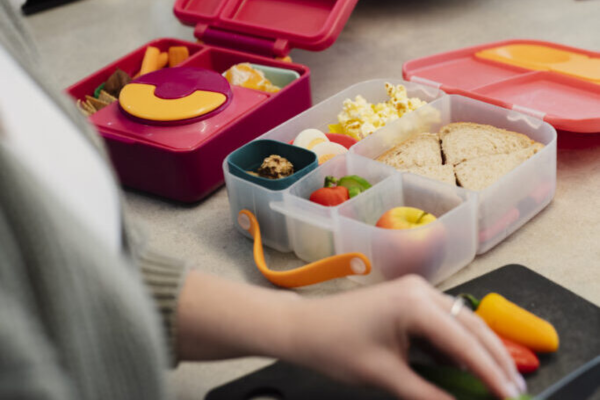
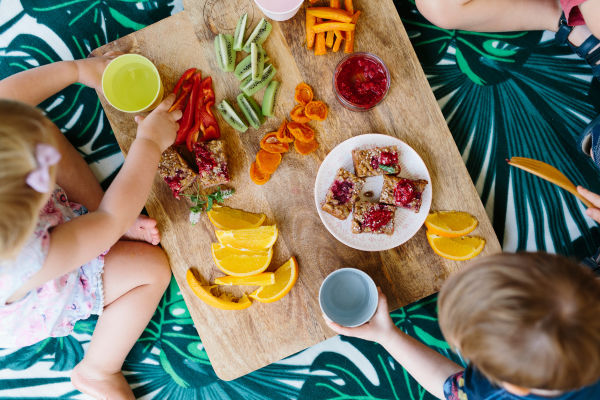
A snack is a structured ‘mini meal’ that bridges the gap between main meals. A structured snack in between meals gives kids the opportunity to fill up every few hours, and then get hungry again before the next meal.
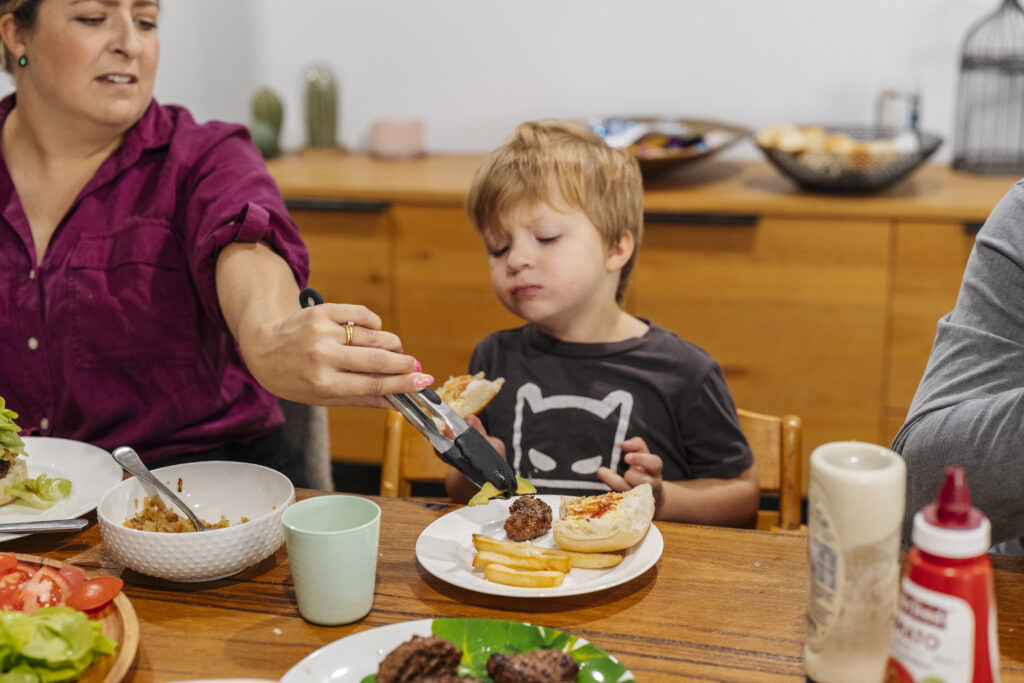
Grazing is ongoing eating throughout the day - a bite of something left out on the bench, a snack in the car, another at the park, another when you arrive at Grandma’s house. When a child grazes throughout the day, they might not get an opportunity to feel or recognise hunger cues. This results in them arriving at a meal disinterested and without motivation to eat, which can lead to challenges like picking at their meal or wanting to leave the table quickly.



But shouldn’t I feed my child if they’re hungry?
You will. If you're offering a meal or snack every 2-3 hours the next one is not very far away.
At first, it might feel uncomfortable to refuse your child's requests for food, especially if they ask for it often throughout the day. But this is where the Mealtimes Method can build your confidence and reduce stress: once you're clear about your roles and the approach, then you don't have to leap to the kitchen the minute your child mentions food .
It helps to decide in advance what you might say - for example something along the lines of "it's not eating time yet, but we'll have something soon", or "yes, we are having [insert the next meal or snack] when we get home". Phrases like these acknowledge your child's hunger, but sets gentle boundaries around when it’s time to eat, and keeps to your part in the Division of Responsibility of deciding when meals are offered.
In saying all of this, there is still a role for unusual days to include grazing, or snacks outside of usual eating times. For example, Christmas or birthdays, or in the doctor’s waiting room, or on a flight or road trip. When the typical days have structure, these unconventional moments can actually be more effective and less stressful.
There is no perfect way to feed toddlers. But there is a way that works for your family. Let's find it.

Trusting your child's hunger
Offering structured meals and snacks gives kids the opportunity to tune into their bodies, which they are very capable of when we give them the space to do so. It doesn't need to be rigid or tightly scheduled, but creating some structure through the day is a great way to support your child's appetite and provides them more opportunity to feel hungry, eat, and move on.
Listen to Mealtimes with Dr Kyla for a big snack chat
An Instagram Q&A about snack culture sent me down a rabbit hole, and I have a feeling it'll resonate with a lot of parents. In episode 29 I'm breaking down everything parents need to know about snacking in childhood, and answering the question, "Are we doing kids a disservice by our obsession with snacks?"
Follow me for more support, and feel confident that you’re setting your child up for a healthy relationship with snacks, and a lifetime of enjoyable eating.


Join the membership and get expert advice
Evidence-based guidance from a team of paediatric professionals to navigate first foods, fussy eating, and nutrition and body confidence – created for busy families.

One membership, three dedicated stages tailored to your child
Start where you need, switch when you want